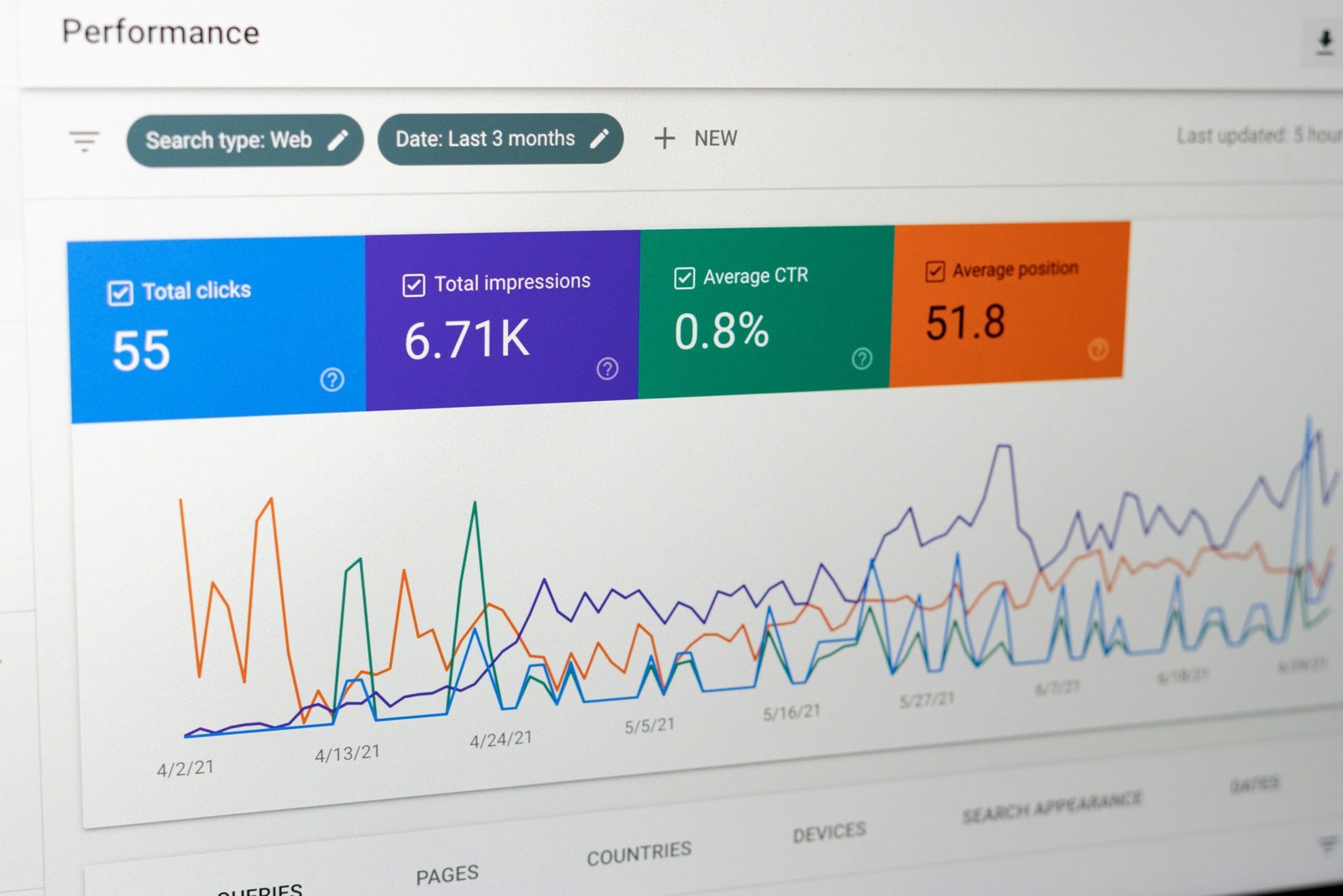
Introduction to Marketing KPIs
In the landscape of modern marketing, the role of key performance indicators (KPIs) has become increasingly critical. KPIs serve as quantifiable measures that enable businesses to evaluate their marketing performance against their objectives. These indicators are pivotal in assessing the effectiveness of marketing strategies and campaigns. By leveraging KPIs, marketers can better understand the return on their investments and make informed decisions that enhance their overall marketing efforts.
Marketing KPIs can be broadly categorized into various types, each serving a distinct purpose in the measurement process. Common categories include quantitative metrics like sales revenue, conversion rates, and customer acquisition costs, as well as qualitative metrics such as customer satisfaction and brand loyalty. Each type of KPI provides invaluable insights into different aspects of marketing performance, allowing businesses to identify strengths and weaknesses in their strategies.
Implementing KPIs into marketing strategies is essential for effective decision-making. These indicators not only offer clarity on past and current performance but also inform future marketing initiatives. By analyzing KPIs, companies can track progress and adapt their strategies in real time to drive better results. Furthermore, a well-defined set of KPIs allows teams to focus their efforts on what truly matters, ensuring alignment with broader business objectives.
In conclusion, understanding marketing KPIs and effectively utilizing them is integral to the success of any marketing strategy. Through accurate measurement and analysis, businesses can enhance their marketing effectiveness, optimize resource allocation, and ultimately achieve their strategic goals.
The Role of Online Calculators in Marketing
In the ever-evolving landscape of digital marketing, the ability to efficiently measure and analyze key performance indicators (KPIs) is paramount. Online calculators have emerged as essential tools that empower marketers to gain insights into their campaigns. These calculators offer notable benefits, particularly in enhancing the accessibility, accuracy, and efficiency of data measurement.
One significant advantage of online calculators is their ease of access. They are readily available and can be easily integrated into the workflow of any marketing professional. This accessibility means that marketers can quickly find the tools they need to measure KPIs without extensive training or technical expertise. Users can simply input their data, and the calculators handle the necessary computations, allowing for swift analysis.
Time-saving capabilities of these online tools further contribute to their importance in marketing strategies. By automating the calculations required for various metrics—such as return on investment (ROI), cost per acquisition (CPA), and customer lifetime value (CLV)—marketers can dedicate more time to strategic decision-making rather than spending hours on manual calculations. This efficiency not only accelerates the process of data evaluation but also facilitates timely adjustments to marketing approaches, supporting quicker responses to market changes.
Additionally, the accuracy provided by online calculators cannot be overlooked. These tools are designed to minimize the chances of human error, ensuring that the calculations reflect precise data interpretations. This accuracy is vital, as even minor discrepancies in KPI measurement can lead to misguided strategies. Online calculators also often come equipped with the latest algorithms, presenting marketers with reliable outputs based on current best practices.
In essence, by harnessing the power of online calculators, marketers can streamline their data assessment processes, enhancing the effectiveness of their overall marketing efforts.
Identifying Essential Marketing KPIs for Your Business
Identifying the right marketing KPIs is crucial for businesses aiming to gauge their effectiveness and align their strategies with overarching goals. Marketing Key Performance Indicators (KPIs) serve as measurable values that indicate how well marketing efforts are achieving their objectives. The first step in determining relevant KPIs is to define your business goals, which can range from increasing sales and improving customer engagement to enhancing brand awareness.
When it comes to tracking marketing performance, several categories of metrics are essential. Sales metrics provide insights into revenue generation and the effectiveness of marketing strategies. Common sales KPIs include total sales revenue, average order value, and sales growth rate. These metrics help evaluate whether marketing initiatives are translating into tangible financial results.
Engagement metrics focus on how well your target audience is interacting with your content and advertising efforts. Key engagement KPIs often include website traffic, social media interactions, and email open and click-through rates. Understanding these metrics allows businesses to ascertain customer interest and adapt their strategies for greater impact.
Lastly, conversion metrics are essential as they indicate the success of turning prospects into customers. Important conversion KPIs to monitor include conversion rate, lead generation, and customer acquisition cost. By analyzing these metrics, businesses can identify areas of improvement throughout the customer journey and refine their strategies accordingly.
In summary, selecting the right marketing KPIs requires a thorough understanding of your business objectives. By categorizing metrics into sales, engagement, and conversion areas, businesses can more effectively assess their performance and make informed decisions to drive success.
Types of Online Calculators for Measuring KPIs
Online calculators have increasingly become a valuable asset for marketing professionals aiming to evaluate key performance indicators (KPIs). Various types of calculators serve specific functions, enabling marketers to quantify their performance, assess strategies, and make informed decisions based on measurable outcomes. Below, we discuss some notable types of online calculators that aid in measuring different marketing KPIs.
One of the most common types of online calculators is the Return on Investment (ROI) calculator. This tool helps marketers assess the profitability of their campaigns by calculating the return relative to the costs incurred. By inputting figures such as total revenue generated and total expenses related to a marketing initiative, users can easily determine the efficacy of their investment. An accurate ROI calculation is crucial for determining which strategies are yielding the best results and where budget reallocations may be necessary.
Another essential type is the Conversion Rate calculator. This tool measures the percentage of users who complete a desired action, such as making a purchase or signing up for a newsletter. By inputting the number of conversions and the total visitors to a website, marketers can quickly see their conversion rate, which is pivotal for evaluating the effectiveness of marketing funnels and campaigns. Understanding conversion rates enables marketers to optimize their strategies for improved performance.
Engagement Rate calculators are also widely used to determine user interaction levels with a brand’s content. This type of calculator evaluates metrics like likes, shares, comments, and overall reach to provide an engagement score. High engagement rates typically signify that the content resonates with the target audience, making it vital for marketers to track and analyze these figures continuously.
Step-by-Step Guide to Using Online Calculators
Online calculators are invaluable for measuring marketing KPIs, offering quick solutions that help streamline data analysis. To effectively utilize these tools, follow this step-by-step guide.
First, identify the specific KPI you wish to measure. Common KPIs include conversion rates, customer acquisition costs, and return on investment (ROI). Understanding what you need to analyze will streamline your search for the appropriate online calculator.
Once you have a clear goal, locate a reputable online calculator. There are numerous platforms available, each offering various tools designed for distinct KPIs. For instance, a conversion rate calculator will differ from a customer lifetime value (CLV) calculator. Ensure you choose a calculator that aligns precisely with the KPI you aim to measure.
After selecting the right calculator, the next step is inputting your data accurately. Gather all relevant information needed for the calculation. For example, to calculate ROI, input your net profit and the total cost of the investment. It’s recommended to double-check your figures to avoid any inaccuracies that might skew your results.
Upon entering the data, proceed by initiating the calculation. Most online calculators provide immediate results, along with explanations or breakdowns of how the numbers were derived. This transparency aids in understanding your KPI and its implications for your marketing strategies.
Lastly, consider documenting your findings. Take screenshots of the calculator results for easy reference and analysis. This not only helps track historical data but also allows for better strategic planning in future marketing campaigns. Additionally, regular reassessment of your KPIs using these calculators can lead to more informed decisions, thus optimizing your marketing efforts.
Case Studies: Success Stories of KPI Measurement
In today’s competitive landscape, many businesses have recognized the importance of measuring their marketing KPIs effectively. One notable example is a mid-sized e-commerce retailer that faced declining customer engagement. They adopted an online calculator specifically designed to analyze their customer acquisition costs (CAC). By inputting various metrics, they were able to pinpoint areas of overspending in their marketing campaigns. As a result, the retailer reallocated their budget towards channels that showed a higher return on investment (ROI). This strategic shift led to a 25% increase in customer acquisition over six months.
Another compelling case is that of a social media agency that struggled with client retention. They utilized an online tool to calculate the lifetime value (LTV) of their customers. By understanding the long-term revenue generated from clients, the agency could tailor their services to meet client needs more effectively. They launched a targeted retention campaign based on insights derived from the calculator. Within three months, they recorded a remarkable 40% reduction in churn rate, illustrating the power of informed decision-making.
Additionally, a small startup focusing on content marketing was uncertain about their article conversion rates. They implemented a conversion rate calculator, which allowed them to evaluate the effectiveness of their blog posts and landing pages. The insights gained from the calculator enabled them to optimize their content strategy. They improved keyword targeting and made data-driven enhancements to their website layout, leading to a 60% increase in leads generated within four months. These case studies exemplify how businesses of varying sizes can leverage online calculators to measure their marketing KPIs, overcoming obstacles and enhancing their overall marketing strategies effectively.
Common Mistakes in KPI Measurement
Measuring Key Performance Indicators (KPIs) is an essential practice for marketers aiming to assess the effectiveness of their strategies. However, reliance on online calculators can lead to several common pitfalls that may compromise the integrity of the data gathered. One frequent mistake is the incorrect definition or selection of KPIs. Marketers often choose indicators that do not align with their strategic goals, resulting in misleading conclusions. Ensuring that selected KPIs are relevant to the specific business objectives is crucial for accurate evaluation.
Another common error occurs when marketers fail to standardize data inputs. Online calculators can yield significantly different results if data is entered inconsistently. For instance, using varying periods for metrics or different formats for expressing data can skew results. It is vital to maintain consistency in data collection methods to ensure comparability over time.
Moreover, marketers sometimes place excessive reliance on calculators without understanding the underlying data or context. Online tools often simplify complex calculations, which can lead users to overlook critical factors influencing the results. It is prudent for marketers to complement their use of calculators with a robust analysis of market trends and business nuances.
Additionally, failure to regularly review and adjust KPIs based on changing business landscapes is another notable mistake. Maintaining static KPIs can result in obsolete metrics that no longer represent the current market conditions or organizational objectives. Establishing a routine for revising KPIs ensures they remain aligned with strategic development.
Lastly, it is essential for marketers to acknowledge and actively seek to mitigate the risk of data misinterpretation. Proper training and a clear understanding of the methodologies behind KPI calculations can enhance accuracy. By being aware of these common mistakes, marketers can leverage online calculators more effectively, leading to better-informed decisions and improved marketing strategies.
Integrating Online Calculators with Marketing Strategies
Online calculators serve as valuable tools for marketing analysts and strategists, aiding in the measurement of various Key Performance Indicators (KPIs). When integrated effectively, the insights gained from these calculators can enhance the overall effectiveness of marketing strategies. To achieve this, organizations must first clearly define their marketing objectives, aligning these with the KPIs that will be measured through online calculators.
The integration process begins by identifying which specific KPIs are relevant to the business’s marketing goals. For instance, if a company aims to increase customer acquisition, metrics such as conversion rates, customer lifetime value, and return on investment should be prioritized. Online calculators can provide precise estimates and benchmarks for these KPIs, enabling marketers to track performance and identify areas for improvement.
Once the pertinent KPIs are selected, the next step is to incorporate the data from online calculators into regular marketing analysis workflows. This may involve feeding the calculated insights into marketing dashboards or analytical tools, allowing for real-time monitoring and adjustment of marketing strategies. By leveraging data in this manner, businesses can make informed, data-driven decisions that optimize their marketing efforts.
Moreover, integrating online calculator outputs with broader business objectives promotes a cohesive approach to marketing. When marketing teams understand how their KPIs relate to overarching business goals, they are more likely to implement strategies that contribute to enterprise-wide success. This alignment ensures that marketing efforts are not conducted in a vacuum but rather support the organization’s overall vision.
In conclusion, effectively integrating online calculators with marketing strategies provides companies with a robust framework for measuring and improving performance. By aligning KPIs with business objectives and utilizing data-driven insights, organizations can enhance their marketing effectiveness and achieve greater results.
Conclusion and Future Trends in KPI Measurement
In conclusion, the ability to effectively measure marketing Key Performance Indicators (KPIs) is crucial for businesses aiming to optimize their marketing strategies. The use of online calculators has emerged as a valuable tool, providing marketers with immediate and accurate metrics to assess their performance. Such tools not only simplify data analysis but also enhance decision-making processes by presenting clear insights derived from complex data sets.
As the marketing landscape continues to evolve rapidly, it is essential for professionals to remain agile, adapting to the latest methodologies and technological advancements. Future trends in KPI measurement are likely to be heavily influenced by developments in artificial intelligence (AI) and machine learning. These technologies can provide deeper analyses by predicting trends and automating reporting processes, thus enabling marketers to focus more on strategic decision-making rather than data crunching.
Moreover, the integration of real-time data analytics into online calculators will likely become a standard expectation. This enhancement allows for more dynamic responses to market changes, providing businesses with the tools to pivot their strategies swiftly based on current performance metrics. The anticipated rise of cross-channel measurement tools will also facilitate a more holistic view of marketing efforts, bridging gaps between different platforms and providing a comprehensive understanding of their effectiveness.
Additionally, as consumer behavior and preferences change, the development of personalized KPI measurement tools that cater to specific sectors or businesses may gain traction. In summary, harnessing the power of online calculators to measure marketing KPIs represents a critical step forward, and with the continuing progress in technology, the future of KPI measurement holds exciting potential for marketers aiming to achieve excellence in their campaigns.
For all online calculations I like to use https://howtocalculate.app/. It is free and te calculations are all based on scientific resources.
Leave a Reply